
Baltic Horror in film, gaming and literature
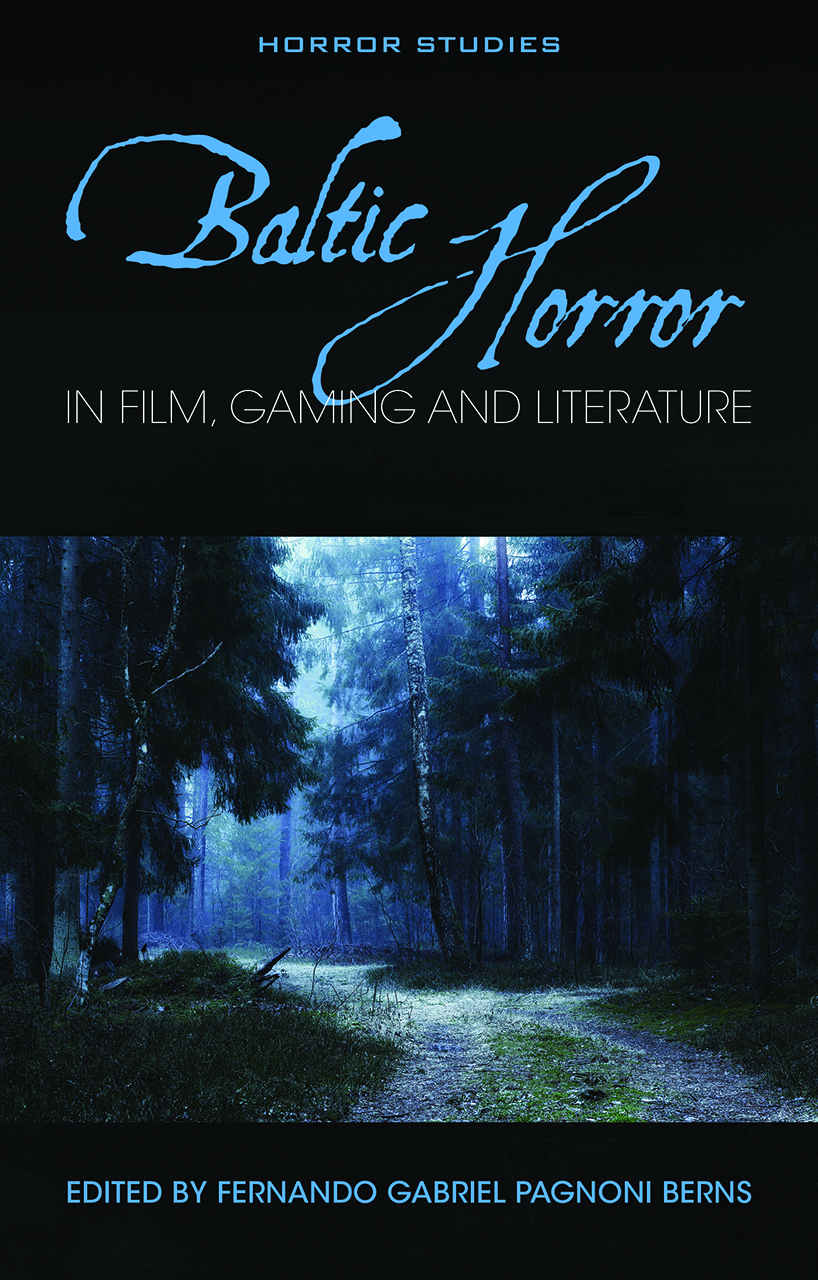
Editor(s) Fernando Gabriel Pagnoni Berns
Language: English
Genre(s): Literary Studies, Film, Media and Culture
Series: Horror Studies
- May 2026 · 296 pages ·216x138mm
- · Hardback - 9781837723607
- · eBook - pdf - 9781837723614
- · eBook - epub - 9781837723621
The Baltic region arguably saw the birth of horror cinema when Germany produced its cycle of silent horror films. However, it is a geographical region that remains overlooked in horror scholarship. This collection aims to fill the gap with a series of essays discussing audiovisual media and literature in Estonia, Russia and Denmark, among others; and developing theoretical frameworks including postcolonialism, gender studies, issues of originality, folklore, history and geographical boundaries.
This volume offers a rich and comprehensive exploration of an understudied region. Fernando Gabriel Pagnoni Berns has curated an impressive range of interdisciplinary essays that reveal how Baltic horror reflects cultural anxieties, histories and identities. This highly original collection is valuable for both horror scholars and readers curious about overlooked cinematic and literary traditions.,This important collection will help readers discover the rich offerings in horror films, video games, and other texts from the Baltic region. Each essay is well written and insightful and will certainly expand our general understanding of international horror while also giving us lots of new ideas about what to watch and what to teach.
Table of Contents
List of Contributors
List of Figures
1-Introduction
Fernando Gabriel Pagnoni Berns
Part I: Baltic History
2- Slashing Delayed: Lateness and Lithuanian Adaptation of the Slashing Subgenre in Pensive (2022)
Rawitawan Sophonpanich
3- Let the Wrong One In? Imitation and Originality in Swedish Horror Literature
Mattias Fyhr
4- Domestic horror in Anna Starobinets’ Look at Him
Lara Righi
Part II: Folk Horror
5- Reimagining Folk Horror Through national Mnemohistory: November (2017), Kratt (2020) and the Role of Folklore in Estonian Identity
Ilaria W. Biano
6- The Kratt: An AI Estonian Folktale for Our Times
Tony Perrello
7- The Devil Is in the Details: Horror Objects Through the Baltic Lens
Occulta Dama
Part III: Borders
8- The Cartography of Swamps: Making and Breaking Boundaries in Sauna
Octavia Cade
9- Haunted by Division: The Intersection of Horror, Politics, and Family in Possession (1981)
Megan Kenny
10- The Speaking Time Limit is 60 Minutes. Struggle over Discourse and Colonial Guilt in Jens Ravn’s Wolf Hour
Marc Pereyra
11- Fishy Fluidity: Dis-Ordered Patriarchy and Queer Ecology in Slavic Mermaid Horror
Brenda S. Gardenour Walter
Part IV: Aesthetics
12-From Socialist Realism to Necrorealism: The Rebellious Idiocy of Yevgeny Yufit
Andrew Grossman
13-Dancing Beside Death: A Look at the Kafkaesque and Performativity of Dreams in Algimantas Puipa’s Cinema
Amin Heidari
14- Aniara (2018): Relocating the Human in an Age of Climate Terror
B. C. Granger
15- Understanding Baltic Horror Videogames: A Comprehensive Overview
Juan Carlos García Romero
16- Streaming Soviet Russia: The Role of the Streamer in Indie Horror Games
Kat Albrecht
Author(s): Fernando Gabriel Pagnoni Berns
Fernando Gabriel Pagnoni Berns lectures at the University of Buenos Aires. He is Director of ‘Terror: Estudios Críticos’ (Universidad de Cádiz), the first-ever horror studies series in Spain.